A great Nepal holiday rarely happens by accident. Distances look short on the map, but mountain roads, weather and altitude all shape what is realistic. This Nepal travel guide walks you through each planning step in the order you should tackle it.
Step 1: Choose the Right Season
Autumn (September–November) and spring (March–May) are the most popular months, with stable weather and clear mountain views. Winter suits cultural tours and the lowland national parks, while the monsoon brings fewer visitors, greener hills and occasional road delays.
Step 2: Decide How Long You Need
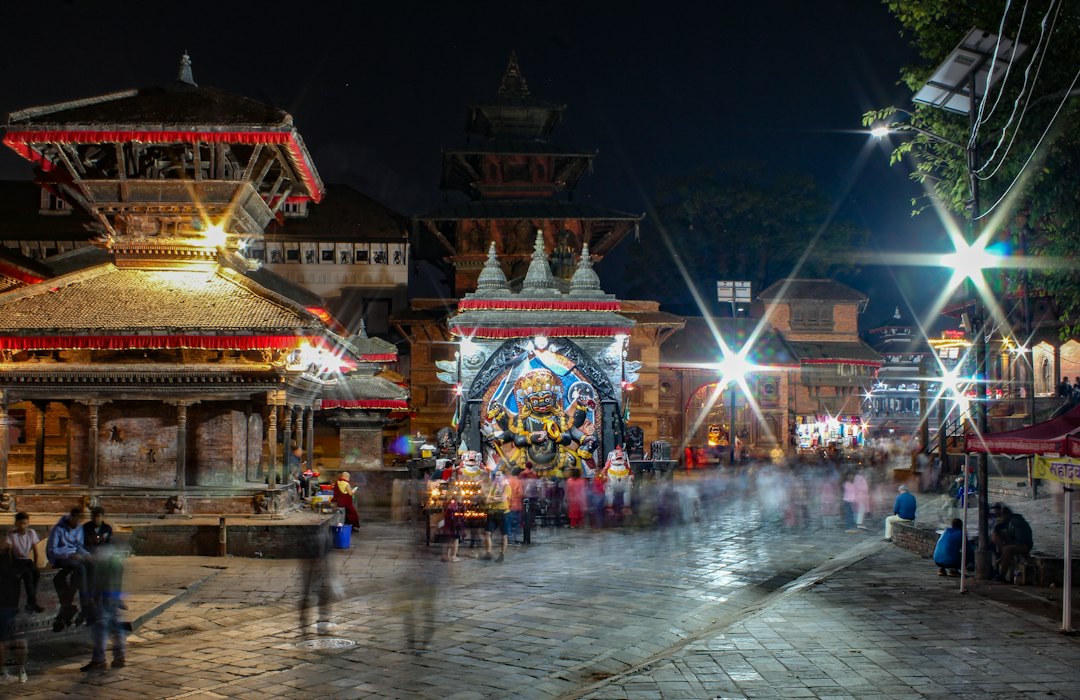
- 5–7 days: Kathmandu Valley plus Pokhara or Chitwan.
- 10–14 days: add a short trek such as Poon Hill or Mardi Himal.
- 2–3 weeks: Everest Base Camp, Annapurna Circuit or a longer multi-region route.
Step 3: Sort Out Visas and Permits
Most nationalities can obtain a tourist visa on arrival at Tribhuvan International Airport or apply online in advance. Trekkers also need the relevant national park or conservation area permit, and some regions are restricted areas that require a special permit and a licensed guide. Rules and fees change, so confirm the current requirements with the Department of Immigration or your travel operator before you fly.
Step 4: Set a Realistic Budget
Nepal suits every budget. Your main costs are accommodation, food, internal transport, permits, guide and porter services, and activities. Teahouse trekking is affordable, while domestic flights, private vehicles and luxury lodges raise the total quickly. Keep a contingency of 10–15% for weather-related changes.
Step 5: Book Transport Early
Tourist buses connect Kathmandu, Pokhara, Chitwan and Lumbini, and seats can now be reserved online. Domestic flights save time but are weather-dependent, especially to mountain airstrips. For flexible schedules or groups, a private car or jeep with a driver is the most comfortable choice.
Step 6: Prepare for Altitude and Health
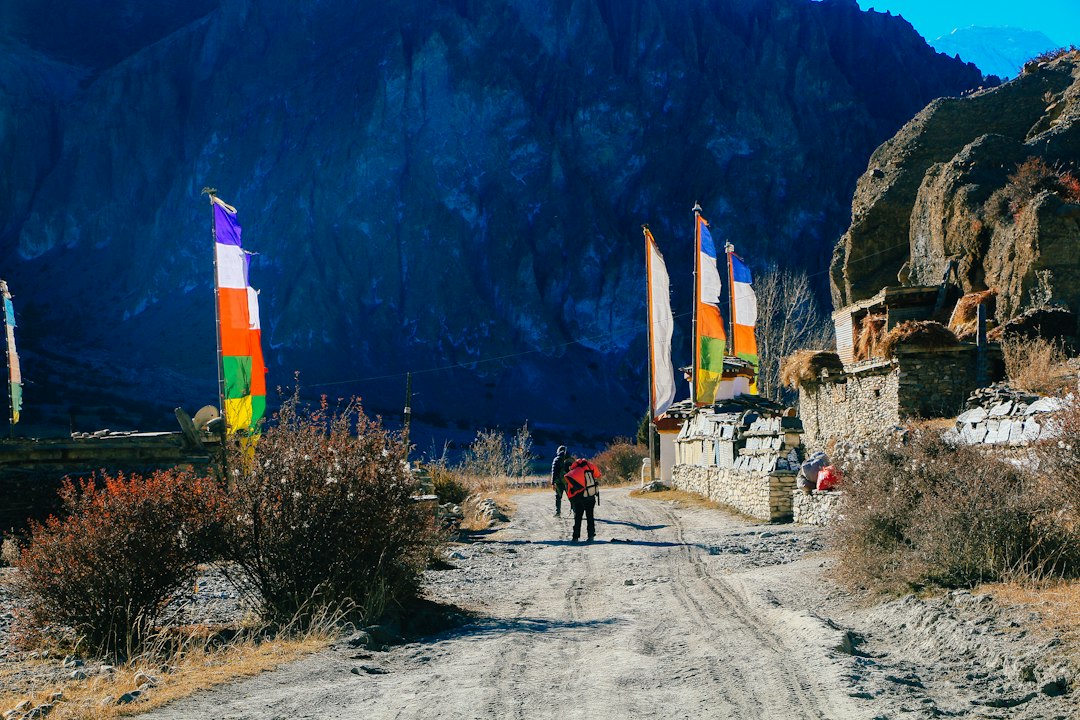
If you trek above 3,000 metres, build acclimatisation days into the itinerary, ascend gradually and drink plenty of water. Buy travel insurance that explicitly covers high-altitude trekking and emergency evacuation.
Step 7: Pack Smart
- Layered clothing, a warm jacket and a waterproof shell
- Broken-in trekking shoes and good socks
- Sunscreen, sunglasses and a refillable water bottle with purification
- Power bank, universal adapter and copies of your documents
Sample 10-Day Nepal Itinerary
- Days 1–3: Kathmandu, Patan and Bhaktapur
- Days 4–5: Chitwan National Park safari
- Days 6–9: Pokhara with a short Annapurna foothill trek
- Day 10: return to Kathmandu
Ready to Start Planning?
The simplest way to plan the perfect Nepal trip is to fix your dates, pick two or three regions and let a local team handle the logistics. Browse more travel guides or get in touch for a tailored plan.